
The Story
When I was sixteen, I approached my Taita and asked if she could teach me tatreez, the traditional art of Palestinian embroidery. She lowered her gaze, almost shamefully, and explained that she had never learned the craft due to generations of ethnic erasure. Her mother, however, had known how to embroider. Sadly, that knowledge died with her in exile, severing another thread connecting our family to our ancestral land.
In 2014, I became determined to learn tatreez. I embarked on a mission to find a teacher, approaching Khaltos and Sittis throughout the Bay Area's Palestinian community, hoping someone would pass down this knowledge. Instead, I was repeatedly turned away and encouraged to focus on my education. Many explained that embroidery was too time-consuming, that the labor was simply not worth it. I felt heartbroken and defeated.
Unable to find someone to teach me, I turned to books, immersing myself in the history, symbolism, and regional traditions of Palestinian embroidery. My curiosity eventually grew into a passion of reclamation for collecting and preserving antique thobes. Along the way, I discovered that much of our surviving cultural regalia had found its way into the hands of white European and Israeli antique collectors, where garments carrying generations of Palestinian memory were being bought, sold, and removed from the communities to which they belonged.
In 2022, I collaborated with Queer Arts Featured, a gallery in San Francisco's Castro District, for its exhibition With Love from Palestine, showcasing traditional Palestinian thobes and taqsirehs. This was the first time the thobes had been exhibited to the public.
I later organized a formal exhibition in San Diego at the Annual Palestine Lawn Program, showcasing historic thobes from Gaza and Palestine’s coastal villages, including Sarafand and Asdud, whose Palestinian populations were forcibly displaced during the ethnic cleansing of 1948. Through this exhibition, I sought to educate the public about the importance of preserving and protecting our endangered cultural heritage, while honoring the artistry, ancestral memory, and traditions of communities uprooted from their homeland.
I watched Palestinian men and women weep as they gently traced their fingers over the threads, overcome with remembrance and longing. In those moments, the garments became more than objects of beauty. They were living connections to mothers, grandmothers, villages, and a homeland from which so many had been separated. Through each stitch, the past was remembered, and the possibility of a future rooted in cultural continuity was restored.
What began as a sixteen-year-old girl's longing to learn from her grandmother had become something much greater: a calling to mend an ancestral wound, reclaim what had been scattered, and ensure that the threads connecting us to our heritage would not be severed again.
In December 2024, Tantura was born.
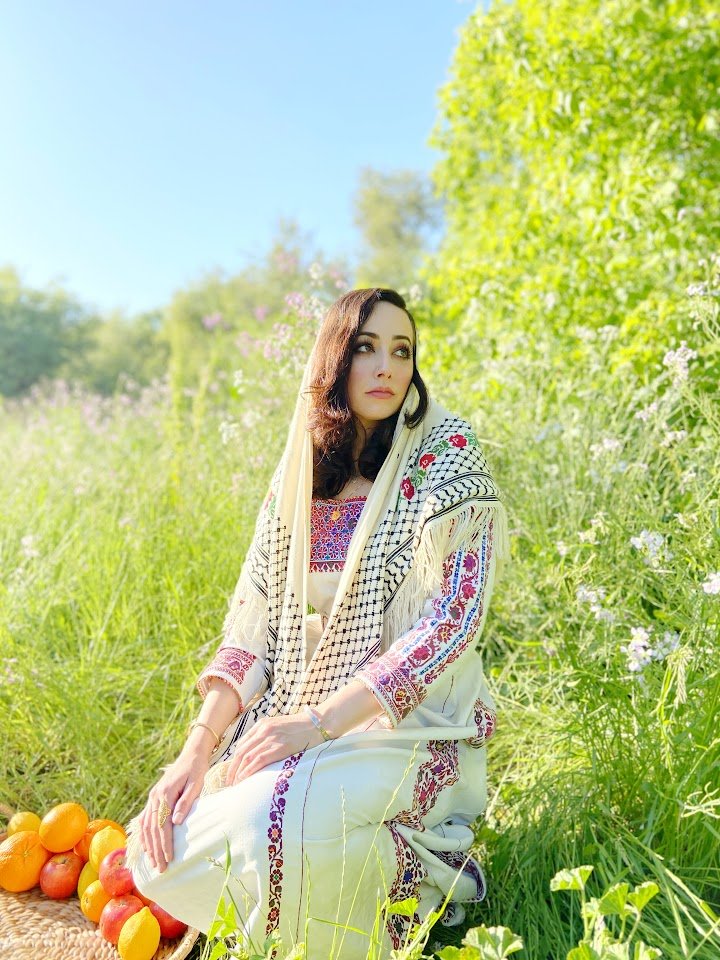

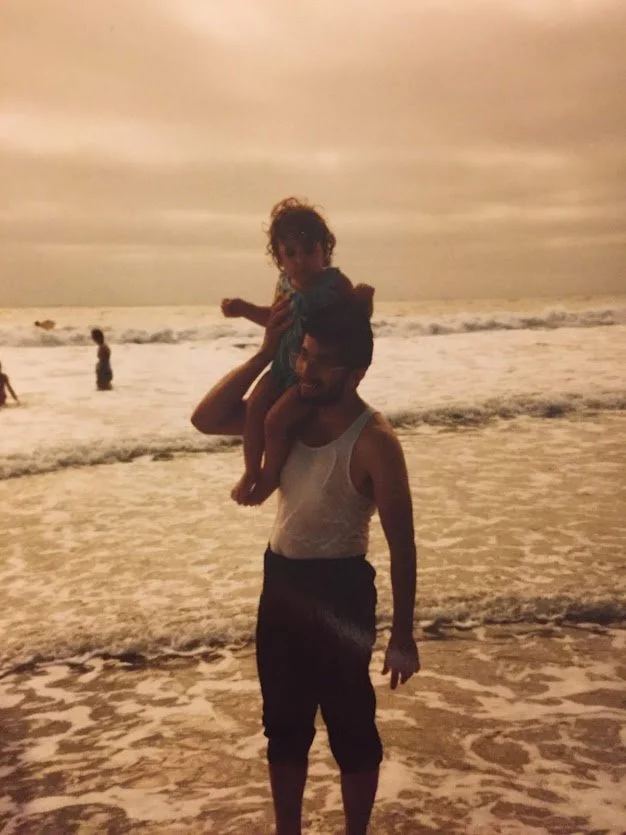
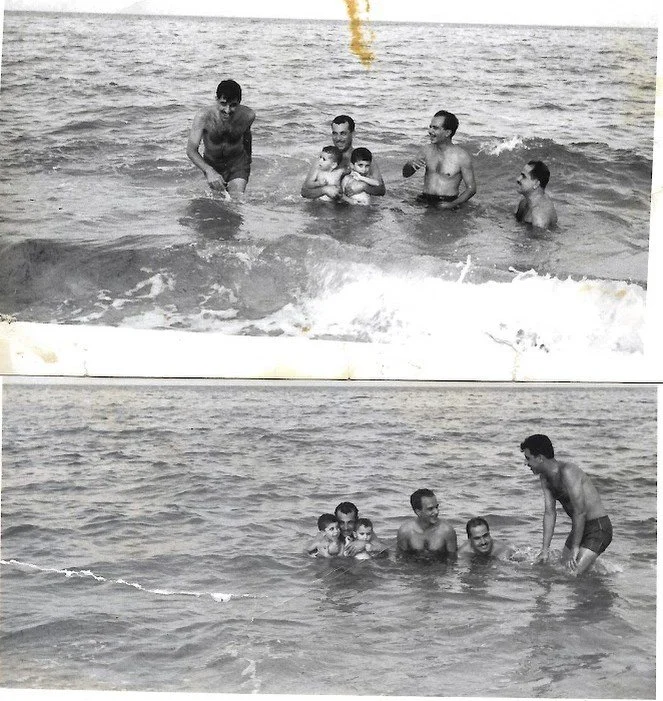
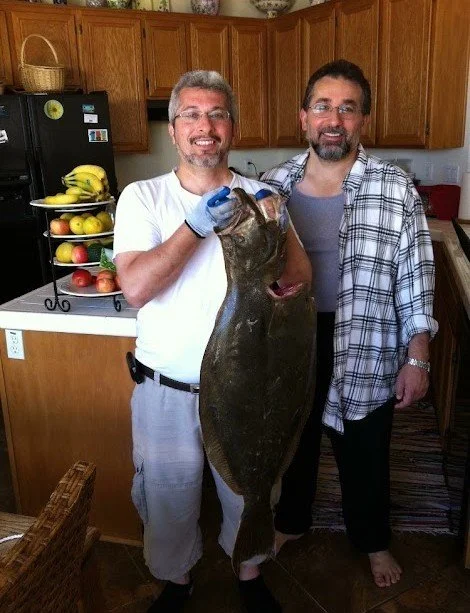
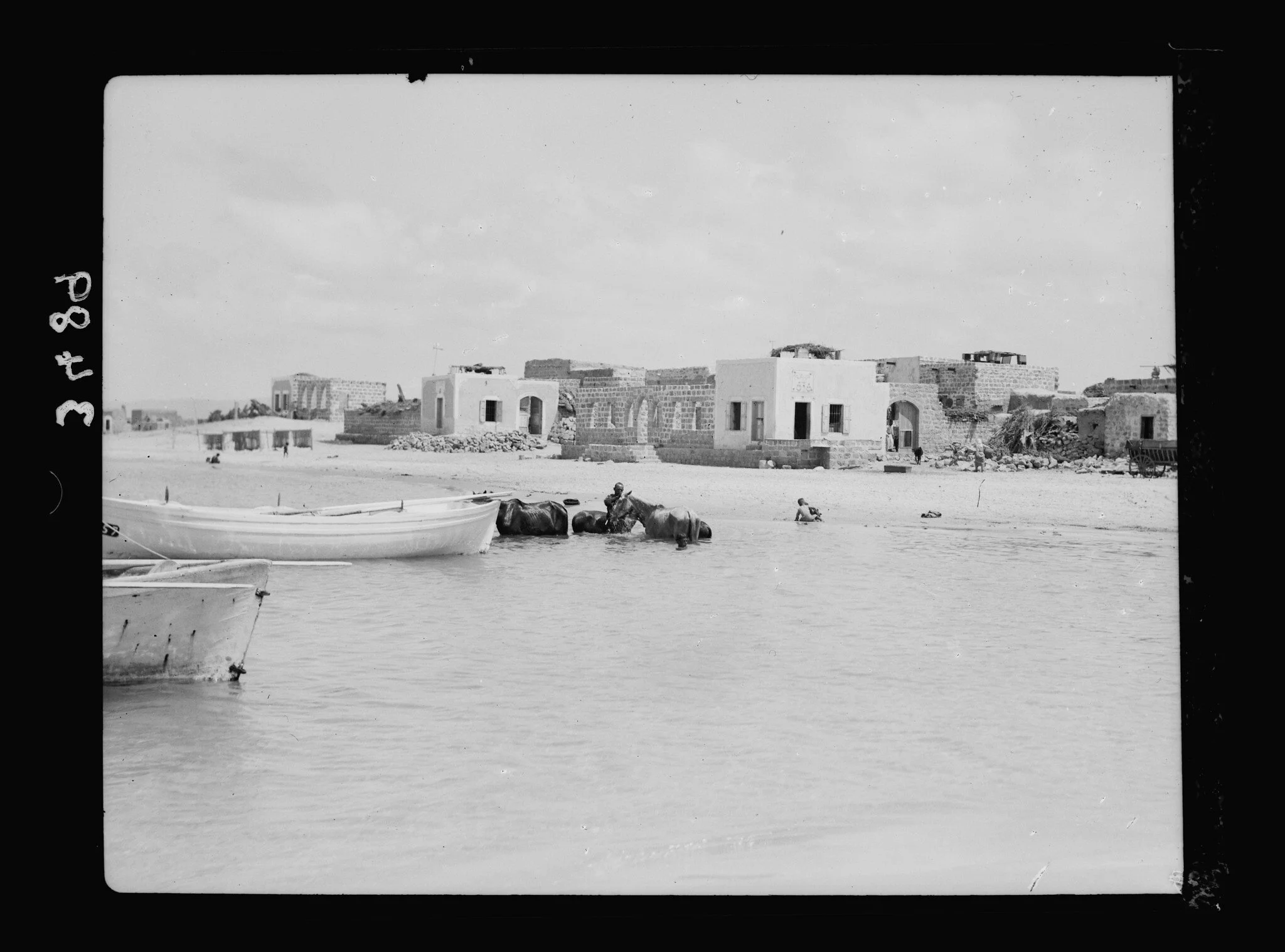
Tantura was founded by Amani Albahri in December 2024. The company is named after her grandfather’s village, Tantura, a Palestinian coastal village located south of Haifa along the Mediterranean Sea. In May 1948, the village was genocided by the Alexandroni Brigade of the Haganah, resulting in the violent mutilation, rape and massacre of Palestinian villagers and the forced displacement of its surviving population during the Nakba into labor and refugee camps.
Her grandfather, Mousa Albahri, was just sixteen years old when the Nakba unfolded. He and his immediate family were forcibly expelled from their homeland during the ethnic cleansing of Palestine in April 1948.
Mousa would recount the horrors he witnessed at the port of Haifa, where, according to his testimony, Haganah forces had trapped Palestinians in a public square, packing families together like sardines. Armed soldiers surrounded them, threatening them with guns as bombardments rained down from above. He described the chaos and terror of watching people stampede, being trampled to death, and drowning in the sea.
He remembered three lines into which Palestinians were forcibly divided. One line was directed south toward Gaza, another north toward Lebanon, and the middle line was forced into the Mediterranean Sea. His family was among those forced into the sea.
Amid the violence and desperation, Mousa managed to secure a boat from his best friend. He would later recount that theirs was the very last boat to sail away from Haifa. But their journey into exile was far from over.
As they crossed the Mediterranean Sea, a violent storm overtook them. Mousa would vividly describe the towering waves rising above their small boat, threatening to swallow them whole. Having narrowly escaped the violence unfolding on land, he and his family now found themselves struggling to survive at sea. The storm eventually capsized their boat near Cyprus, adding another harrowing chapter to his family's forced displacement.
Mousa eventually found refuge in Baddawi refugee camp in Tripoli, Lebanon, where he would rebuild his life in exile and marry a woman from Saffuriya named, Khadra Abdelghani.
Despite the horrors he witnessed, Mousa also preserved beautiful memories of his childhood in Tantura. Amani grew up listening to her grandfather recount the days he spent swimming in the Mediterranean Sea with his siblings, remembering the warmth and familiarity of the coastline he once called home. These stories carried both the beauty of a life before the Nakba and the grief of a homeland from which he had been violently uprooted.
Born and raised in San Diego, California, on the ancestral and unceded lands of the Kumeyaay people, Amani grew up in exile with her Palestinian family. At just four years old, her father taught her how to fish, a tradition passed down through generations of the Albahri family. She spent her childhood weekends fishing and snorkeling along the Mission Bay jetty, carrying on the same coastal traditions her grandfather and great grandfather had cherished in Tantura.
Her father often reminded her that fishing was more than a means of sustenance or recreation. Fishing was their family's way of preserving their heritage and resisting erasure. Although generations of displacement had separated the Albahri family from the shores of Tantura, their relationship with the sea remained unwavering.
Through her father's teachings, Amani came to understand that cultural preservation was not limited to objects or historical records. It lived through the everyday practices, knowledge, and traditions passed from one generation to the next.
For over a decade, Amani has dedicated herself to collecting and preserving historic Palestinian thobes, alongside the oral histories and ancestral memories passed down by her father and grandparents.
-
Send us a message on instagram if you are interested in purchasing an item from us!
We do not use 3rd party companies to manage our transactions.
We offer payment through Zelle
-
Yes, we offer international shipping! Message us on instagram and we will quote you the shipping costs
-
All sales are final through Tantura. We are a small business that curates unique vintage pieces, hand-embroidered clothing made in collaboration with Palestinian artisans.